 Largo Siding
 Why Oldsmar Homes Need Siding Built for This Climate
Oldsmar sits in a part of Pinellas County that takes weather seriously. Homes here deal with intense, near-constant UV exposure that breaks down weaker siding materials from the outside in, wind-driven rain that gets forced sideways into seams and joints during summer storms, and salt-laden air off Tampa Bay that speeds up corrosion on anything metal or improperly sealed. Add hurricane-force wind gusts to that list, and it's clear that siding on an Oldsmar home isn't just about curb appeal — it's the building's first line of defense.
A lot of siding failures we see in this area aren't caused by one dramatic event. They're the result of years of small compromises: a fastener that wasn't corrosion-resistant, a joint that wasn't sealed to spec, a panel installed too close to the ground. In a climate like ours, those shortcuts show up faster than they would somewhere drier and calmer.
Why We Install Only James Hardie Fiber Cement
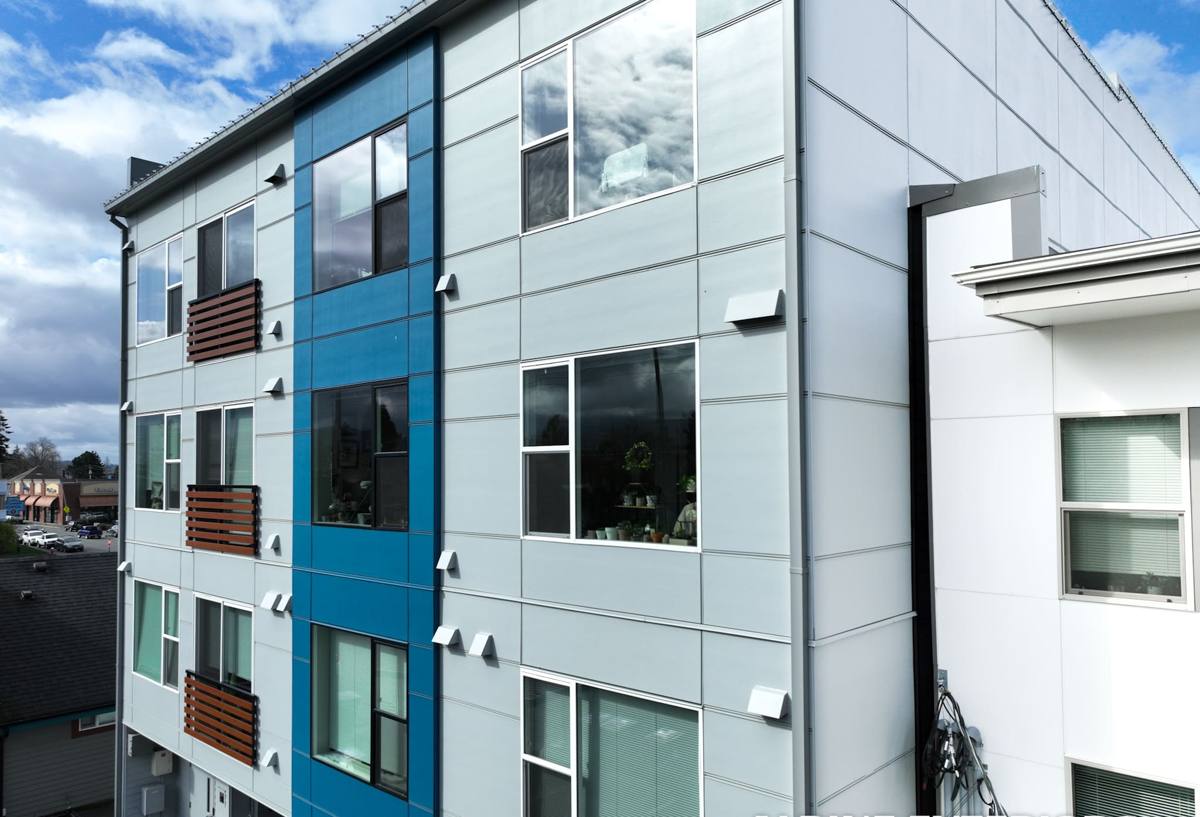
We made a decision to install James Hardie fiber cement siding exclusively, and we don't treat that as a marketing line — it's a standard we hold ourselves to. Hardie siding is non-combustible, engineered specifically for humid, storm-prone climates through its HZ5 product line, and finished with ColorPlus Technology — a factory-applied, baked-on finish that holds color far more consistently over time than a coat of field-applied paint.
We looked hard at the alternatives — vinyl, LP SmartSide, primed wood, and other fiber cement brands — and each comes with real trade-offs in a climate like Pinellas County's: vinyl can warp and become brittle under sustained UV and heat, engineered wood products carry more risk around moisture intrusion if any seam is compromised, and unfinished or field-painted products demand more upkeep to hold up long-term. Fiber cement done right, with a factory finish and manufacturer-specified installation, gives Oldsmar homeowners the best combination of durability, appearance, and long-term value we've found. That's why it's the only product we put on a house.
What "Climate-Engineered" Actually Means
James Hardie makes different formulations for different regions of the country. The HZ5 line used across Florida is engineered with moisture and humidity resistance in mind, which matters more here than in a drier climate where a general-purpose product might perform just fine.
James Hardie Product Lines That Work Well in Oldsmar
Not every Hardie product is the right fit for every home. Part of our job is helping you pick the profile and texture that suits your home's style and your budget, while keeping performance in a coastal climate front of mind.
| Product Line | Look | Best Used For |
|---|---|---|
| HardiePlank Lap Siding | Traditional horizontal lap, smooth or woodgrain texture | Whole-house siding, the most common choice for Florida homes |
| HardiePanel Vertical Siding | Clean vertical lines, board-and-batten style | Modern facades, gables, or accent walls |
| HardieShingle Siding | Staggered or straight-edge shingle profile | Accent areas, gables, and coastal-cottage style homes |
| HardieTrim Boards | Smooth fascia, frieze, and corner trim | Finishing details around windows, doors, and rooflines |
Most Oldsmar projects use HardiePlank as the primary siding with HardieTrim boards for a finished, consistent look around openings and corners — that combination holds up well against both sun exposure and wind-driven rain when installed correctly.
What a Correct Installation Actually Involves
James Hardie siding performs the way it's designed to only when it's installed to the manufacturer's specifications. In a climate that sends wind, rain, and salt air at a house from every direction, the details matter more than they might elsewhere.
Moisture Barrier and Flashing
A correctly installed weather-resistive barrier goes underneath every board, with flashing integrated properly around windows, doors, and any penetration in the wall. This is the layer that keeps wind-driven rain from working its way behind the siding and into the wall assembly — skipping or rushing this step is one of the most common causes of hidden water damage.
Fastening for Wind Resistance
Fastener type, spacing, and placement all affect how well siding holds up under sustained wind loads. We use corrosion-resistant fasteners appropriate for a coastal exposure area and follow Hardie's fastening schedule rather than cutting corners to save time.
Clearances and Sealed Joints
Siding needs proper clearance from grade, roof lines, and decks to avoid trapping moisture, and joints need to be caulked and finished per manufacturer instructions to allow for natural expansion and contraction without letting water in.
Installing outside these specifications doesn't just risk poor performance — it can also void the manufacturer's warranty, which is supposed to be one of the biggest advantages of choosing Hardie in the first place.
Our Process, Start to Finish
Assessment and Measurement
We walk the exterior with you, look at the current siding and trim condition, and take accurate measurements so the estimate reflects your actual home rather than a rough guess.
Removal and Prep
Old siding comes off and we inspect the sheathing underneath before anything new goes up. This is the point where hidden rot or water damage from a previous installation gets caught — better to find and fix it now than seal it behind new siding.
Installation to Manufacturer Specification
Weather barrier, flashing, fastening pattern, and clearances are all handled according to James Hardie's published installation guidelines, not shortcuts based on what's fastest.
Final Inspection and Cleanup
We walk the finished job with you, check caulking and trim details, and clear the site of old materials and debris before we consider the project done.
Signs Your Current Siding May Be Failing
Oldsmar's combination of sun, wind, and moisture is tough on siding that wasn't built for it, or that wasn't installed correctly. A few things worth checking from the ground:
- Visible cracking, warping, or bowing in siding panels or boards
- Paint that's peeling, chalking, or fading unevenly across the wall
- Soft spots, discoloration, or a musty smell near exterior walls, which can indicate moisture behind the siding
- Gaps opening up at seams, corners, or trim joints
- Rust streaks around fasteners or trim pieces
- Visible daylight or drafts around window and door trim
Any one of these on its own might be minor. Several together usually means it's worth having someone take a closer look before small problems turn into structural ones.
Cost Factors for a James Hardie Project in Oldsmar
Every home is different, so we don't quote a number until we've actually looked at yours — but these are the main factors that move a project's cost up or down.
| Factor | How It Affects Cost |
|---|---|
| Home size and wall complexity | More square footage and more corners, gables, or dormers means more material and labor |
| Condition of existing sheathing | Rot or water damage found during removal adds repair work before new siding goes on |
| Product line and profile | HardieShingle and custom trim details generally cost more than a straightforward lap siding job |
| ColorPlus vs. field-painted finish | Factory-finished ColorPlus boards cost more upfront but reduce future repainting needs |
| Trim and detail work | Extensive trim around windows, doors, and rooflines adds labor time |
We'll walk through these factors with you during the estimate so you understand exactly what's driving the number, not just what the final total is.
Maintenance and the ColorPlus Warranty Advantage
One of the practical reasons we favor ColorPlus-finished Hardie products is reduced maintenance. The factory finish is baked on in a controlled environment and holds up to UV exposure better than most field-applied paint jobs, which means less repainting over the years you own the home. James Hardie also backs its products with a transferable limited warranty, which matters if you ever sell — it's a benefit that follows the house, not just the original owner, provided the installation was done to spec.
Basic upkeep is still worth doing: periodic rinsing to clear salt residue and debris, keeping gutters clear so water doesn't pool against the siding, and a visual check after major storms. None of that is heavy maintenance — it's the kind of thing that keeps a correctly installed system performing the way it's supposed to for decades.
Why It Matters That We Already Work in Oldsmar
A crew that's worked on homes throughout Oldsmar and the rest of Pinellas County knows the local permitting process, understands the wind-load and building code requirements that apply to exterior work in this area, and has already seen how this climate treats siding over time. That's different from a crew that installs siding occasionally and treats every coastal Florida job as a first attempt.
It also means we're not guessing about what actually holds up here. We've seen which details matter — flashing at windows, fastener choice, clearance from grade — because we've gone back and looked at how earlier installations, done well or done poorly, actually performed against real Florida weather.
Get a Free, No-Pressure Estimate
If your Oldsmar home's siding is aging, showing early signs of trouble, or you're just ready to plan ahead, we're happy to take a look and walk you through your options. Use the form below to request a free estimate — no pressure, no obligation, just a straight assessment of what your home needs.