 Largo Siding
 Board & Batten Siding for Kenneth City Homes
Kenneth City sits in the middle of Pinellas County, close enough to the Gulf and Tampa Bay that salt-laden air, heavy summer humidity, and hurricane-season wind and rain all factor into how a home's exterior holds up over time. Board and batten siding has a clean, vertical-line look that works well on ranch homes, cottage-style houses, and porch gables throughout this area, but the material and installation matter more here than in most parts of the country. A siding style that looks great on a photo from a drier climate can fail fast on a Pinellas County home if it's not built for the conditions we actually get.
This page covers what board and batten siding needs to hold up in Kenneth City specifically, what a correct installation involves, and how we approach the job for local homeowners.
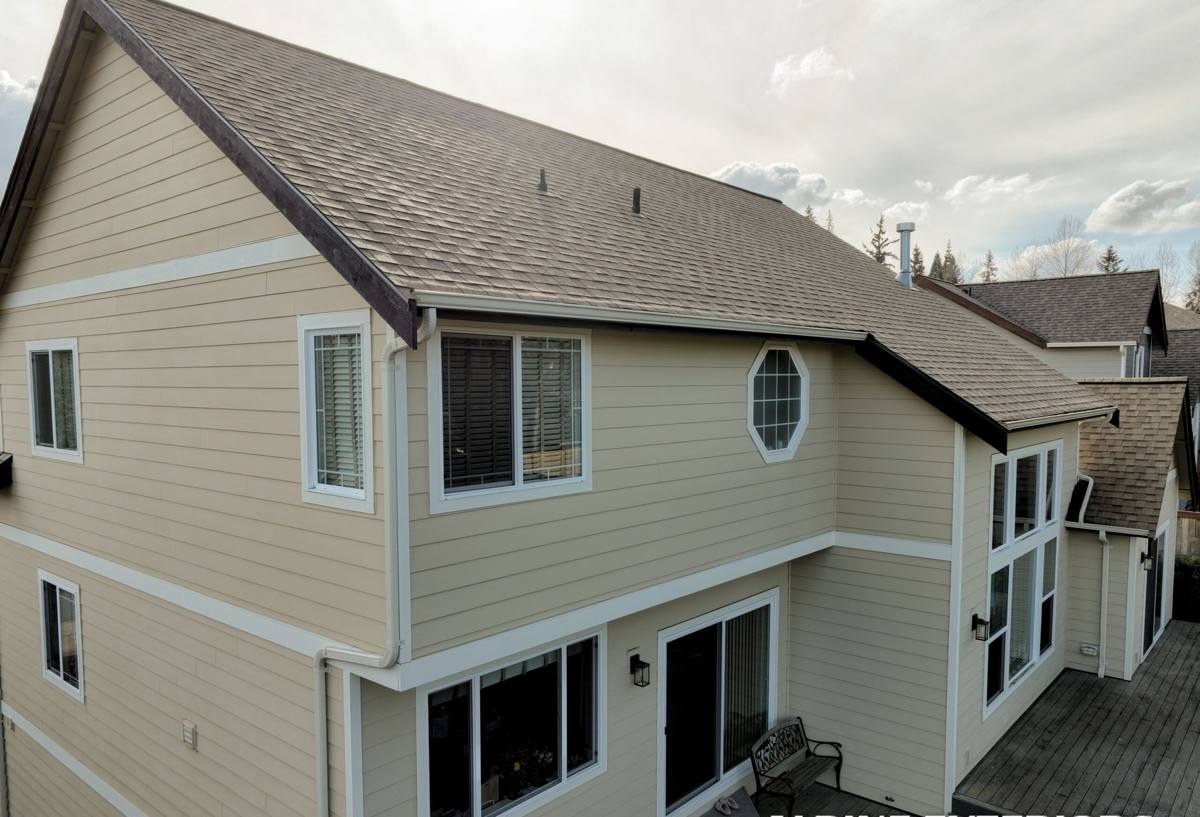
Why Board & Batten Fits This Neighborhood
Board and batten is a vertical siding pattern — wide boards with narrower battens covering the seams — that's traditionally used as an accent on gables, porch fronts, and dormers, and increasingly as a full exterior treatment on modern farmhouse and coastal-style homes. In Kenneth City, we see it most often as:
- A full-elevation treatment on newer builds and remodels going for a modern coastal or farmhouse look
- An accent on gable ends, entry features, or porch sections paired with lap siding elsewhere on the house
- A replacement for aging vertical wood siding on older homes in the area
The vertical lines create strong shadow patterns and a distinct texture that reads differently than horizontal lap siding, which is part of why homeowners choose it. But the design also has more seams and butt joints than a lap profile, and every one of those seams is a place water can find its way in if the product and installation aren't right for our climate.
What Kenneth City's Climate Actually Does to Siding
Heat and UV
Pinellas County gets intense, near year-round sun exposure. On south- and west-facing walls, siding surfaces run hot for most of the day, which accelerates fading, drying, and cracking in materials that aren't engineered to handle it. A factory-cured finish matters a lot more here than it does in a milder climate.
Wind-Driven Rain
Rain in this area rarely falls straight down — Gulf-influenced storms and afternoon thunderstorms push rain sideways into wall assemblies. Board and batten's vertical seams and butt joints are natural points where wind-driven rain gets tested. If flashing, gaps, and fastening aren't handled correctly, water finds a way behind the siding long before it shows up as a visible problem.
Hurricane-Force Wind
Kenneth City is well within the hurricane exposure zone for the Tampa Bay area. Siding here needs to stay fastened through sustained high winds and wind-borne debris, not just look good on a calm day. Fastening pattern, board length, and batten attachment all affect how a board and batten wall performs when wind actually loads it.
Salt Air
Even away from the immediate coastline, salt content in the air across Pinellas County accelerates corrosion on fasteners and metal flashing, and speeds up the breakdown of finishes and caulk that aren't rated for it. Over years, this is one of the quieter reasons siding fails early in this region.
All four of these factors compound on each other. A house that gets baked by UV all day and then hit by sideways rain and salt air is under more stress than most siding products, and most installation crews, are actually prepared for.
Why We Only Install James Hardie Fiber Cement
We install James Hardie fiber cement siding exclusively — we do not install vinyl, LP SmartSide, Cemplank, Allura, or primed wood products like spruce or cedar. That's a deliberate standard, not a sales pitch, and it matters even more on a board and batten job than on a standard lap job because of how many seams are involved.
| Factor | Why It Matters for Board & Batten in Kenneth City |
|---|---|
| Non-combustible material | Fiber cement doesn't burn or contribute fuel to a fire, which matters for insurance and long-term risk regardless of siding pattern |
| Moisture stability | Fiber cement doesn't warp, cup, or rot at seams the way wood-based products can when repeatedly exposed to wind-driven rain |
| Factory-applied ColorPlus finish | Baked-on finish resists UV fading and holds color far longer than field-applied paint, especially on sun-exposed elevations |
| Climate-engineered HZ formulation | Hardie's HZ5 product line is engineered for Gulf Coast humidity and moisture exposure, not a generic national spec |
| Transferable warranty | A strong, transferable warranty backs the product long-term, which matters more on a house with many seams to maintain |
Vinyl board and batten is common and inexpensive, but it expands and contracts with heat more than fiber cement, and in direct summer sun in this region that movement is more pronounced — over time it can affect fit at the battens. Wood-based products, even engineered ones, depend on an intact factory or field coating to keep moisture out, and a single failure point at a seam or fastener can lead to swelling. We'd rather explain that trade-off honestly upfront than install something we don't think will hold up here.
What Correct Board & Batten Installation Involves
Board and batten looks simple, but it has more failure points than lap siding if it's rushed. A correct installation on a Kenneth City home includes:
Water Management Behind the Siding
- A drainable weather-resistive barrier installed correctly behind the siding, not just a housewrap stapled up as an afterthought
- Proper flashing at every window, door, and penetration so wind-driven rain has a defined path out, not into the wall
- Correct clearance at the bottom of the siding from grade, roofing, and hard surfaces so water doesn't wick up into the boards
Fastening for Wind Load
- Fastener spacing and placement that follows Hardie's engineering specs for our wind zone, not a generic pattern
- Corrosion-resistant fasteners suited to salt air exposure, not standard hardware that will rust prematurely
- Battens fastened independently where the pattern calls for it, so the wall performs as designed under wind load
Joints and Seams
- Butt joints treated correctly at board seams instead of just caulked and hoped for
- Consistent, correct gapping per Hardie's install guide to allow for material movement without opening up gaps or buckling
- Proper corner and trim detailing so the vertical lines stay straight and water doesn't collect at inside or outside corners
None of this is exotic — it's the manufacturer's installation spec, done correctly. The problem is that board and batten's clean look makes it easy for a rushed job to look fine on day one and start showing problems two or three storm seasons later, after the crew is long gone.
Our Process for Kenneth City Homes
- On-site assessment. We look at your home's current siding, wall condition, sun exposure by elevation, and any moisture or rot issues before we talk products or price.
- Honest scope and estimate. You get a clear estimate that reflects what your home actually needs — full board and batten, an accent application, or a mix with lap siding elsewhere.
- Substrate check. Before new siding goes up, we confirm the wall sheathing underneath is sound. Board and batten over a compromised substrate just hides a problem instead of fixing it.
- Correct water management install. Weather-resistive barrier and flashing go in to spec, not as an afterthought behind the visible siding.
- Hardie installation to manufacturer spec. Fastening, gapping, and joint treatment follow James Hardie's published installation requirements for our wind and climate zone.
- Final walkthrough. We go over the finished job with you, including how to spot normal wear versus something that needs attention down the road.
Why It Matters to Hire a Crew That Already Works in This Area
A crew that regularly works Kenneth City and the surrounding Largo area already knows the wind zone requirements, the humidity behavior of fiber cement in this climate, and how salt air affects fastener and flashing choices. That's different from a crew that installs siding occasionally and treats every job like it's in a generic national climate. Board and batten in particular punishes shortcuts — the seams either shed water correctly or they don't, and you often can't tell which until a hard rain tests it.
Working locally also means we're accountable locally. If a warranty question or a storm-related concern comes up after the job is done, you're not chasing down a crew that worked the area once and moved on.
What to Expect Cost-Wise
Board and batten installation cost depends on the scope of the project, the condition of the existing wall substrate, how much trim and corner detail is involved, and whether it's a full-house application or an accent treatment. Full-elevation board and batten generally costs more than an equivalent area of standard lap siding, because of the added labor in cutting, fitting, and fastening the batten strips correctly. We won't quote a number without seeing the house, but we'll give you a clear, itemized estimate with no pressure to sign on the spot.
Signs Your Current Siding May Need Attention
- Visible gaps, warping, or cupping at board seams or battens
- Soft or spongy spots when you press on the siding near the bottom edge
- Paint or finish that's peeling, chalking, or badly faded on sun-exposed walls
- Rust streaks running down from fasteners or trim
- Water stains on interior walls near exterior corners after heavy rain
If you're seeing any of these on a Kenneth City home, it's worth getting an honest assessment before the next storm season rather than after.
If you're considering board and batten siding for a home in Kenneth City, we're happy to take a look and give you a straightforward, no-pressure estimate — just fill out the form below.