 Largo Siding
 Why Indian Shores Roofs Take More Punishment Than Most
Indian Shores sits out on the barrier island strip along Pinellas County's Gulf coastline, and that location changes what a roof has to survive. Homes just a few miles inland deal with regular Florida weather. Homes here deal with that same weather plus near-constant salt air, unobstructed wind off the Gulf, and none of the tree cover or windbreaks that inland neighborhoods get for free. A roof built for "Florida" isn't automatically built for a barrier island.
Four things do most of the damage over time:
- Hurricane-force wind: uplift at the edges, corners, and ridge is what tears roofs apart in a storm, not water. A roof that isn't fastened and detailed correctly at those pressure zones fails there first.
- Year-round UV exposure: Florida sun breaks down asphalt oils and shingle granules faster than in most of the country, shortening the usable life of a roof that would last longer up north.
- Wind-driven rain: storms here don't just drop rain, they push it sideways and up under laps, edges, and flashing. Underlayment and flashing details matter more here than the shingle brand does.
- Salt air: airborne salt corrodes exposed metal fasteners, flashing, and vents faster near the water than a few miles inland, which is why fastener and flashing material choice matters on this stretch of coast.
None of this means a barrier-island roof is a lost cause. It means the installation has to account for these four factors specifically, not just meet the minimum code requirement for wherever the truck happens to be parked that day.
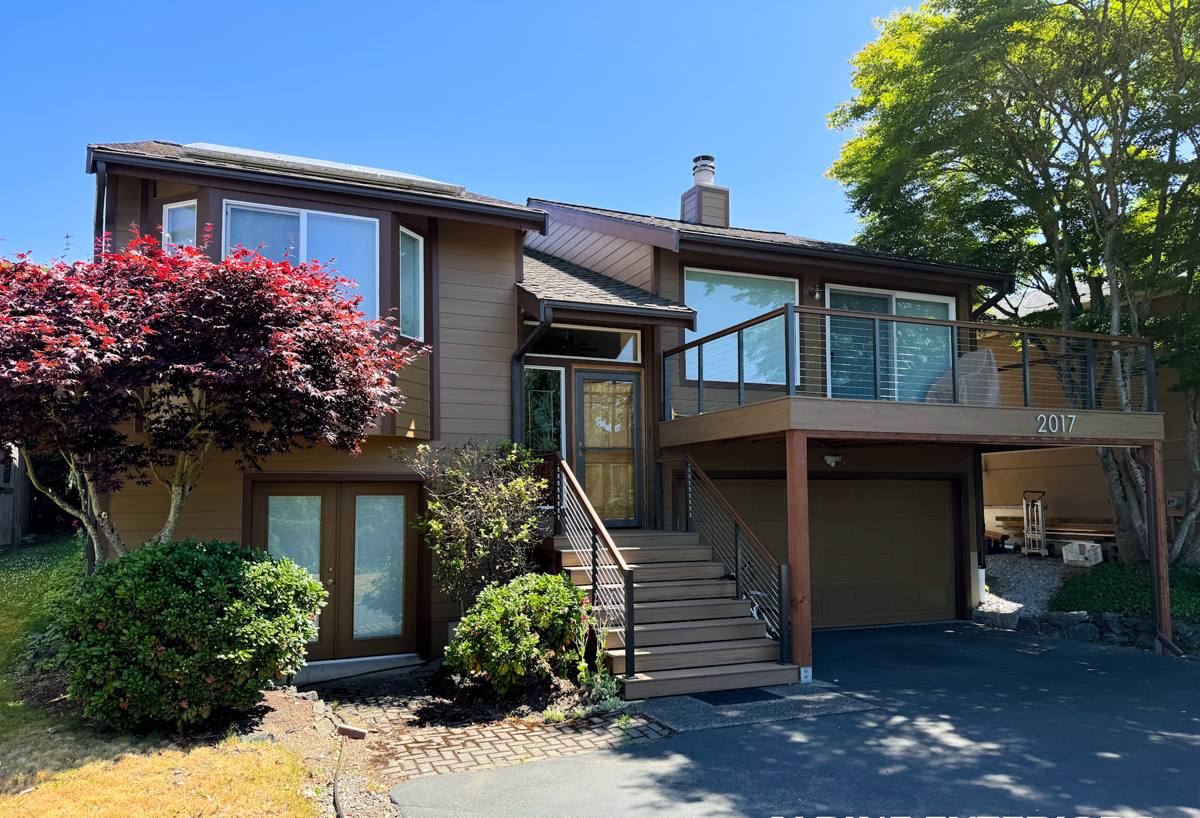
Signs Your Indian Shores Roof May Need Replacement, Not Another Repair
Repairs make sense for isolated, recent damage. Replacement makes sense once the roof as a whole is past the point where patching one area just shifts the problem to the next. Here's what tends to separate the two:
- Shingles that are curling, cupping, or losing granules across large sections rather than one spot
- Multiple past repairs in different areas of the roof over the last several years
- Soft spots, sagging, or visible unevenness when viewed from the ground or a ladder
- Daylight visible through the roof deck from inside the attic
- Water stains on ceilings or in the attic that reappear after repairs
- A roof approaching or past the manufacturer's expected service life for its material
- Rusting, lifting, or corroded flashing and fasteners around vents, chimneys, and edges
- Difficulty getting affordable insurance coverage or a wind mitigation credit because of the roof's age or condition
If more than a couple of these apply, a licensed roofer should look at the whole system, not just the spot you're worried about.
Roofing Materials That Hold Up on a Barrier Island
There's no single "best" roofing material for every home in Indian Shores. The right choice depends on your budget, your home's structure, HOA or deed restrictions if you're in a condo or planned community, and how long you plan to own the property. Here's an honest look at the main options we install.
| Material | Typical Lifespan | Coastal Wind Performance | Maintenance |
|---|---|---|---|
| Architectural asphalt shingle | 20-30 years | Strong when installed with the correct nailing pattern and rated for high wind | Low to moderate; periodic inspection after storms |
| Standing seam metal | 40-50+ years | Excellent uplift resistance with concealed fasteners | Low; occasional check of seams and fasteners |
| Concrete or clay tile | 40-50+ years | Very good when tiles are properly fastened and battened; individual tiles can crack from impact | Moderate; cracked tiles should be replaced promptly |
Architectural Asphalt Shingles
This is still the most common choice on this stretch of coast, mainly because it balances upfront cost with solid performance when installed correctly. The key word is "correctly" — a shingle roof's wind resistance comes as much from the fastening schedule, starter strip, and sealant strip activation as it does from the shingle itself. We install shingles rated for high wind exposure and follow a nailing pattern built for that rating, not the minimum pattern that's easiest to install fast.
Standing Seam Metal Roofing
Metal has become popular on the barrier islands for good reason. Concealed fastener panels shed wind-driven rain well, resist uplift better than most other materials when installed correctly, and hold up to salt air better than exposed-fastener metal systems. It costs more upfront, but the extended lifespan often makes the cost-per-year competitive with reroofing shingles twice.
Tile Roofing
Tile looks good on the coastal architecture common in this area and lasts a long time, but it's less forgiving of a rushed or careless installation. Battens, underlayment, and fastening all have to be right, and individual tiles can crack from a dropped branch or foot traffic. We only recommend tile when the structure and budget support doing it properly.
What a Correct New Roof Installation Actually Involves
The shingle, panel, or tile on top is the part homeowners see, but it's not what actually keeps water and wind out. Most roof failures on this coast trace back to what's underneath or around the visible surface. A proper installation includes:
- Deck inspection and repair: replacing any rotted, delaminated, or weakened plywood before anything new goes on top of it
- Underlayment rated for wind-driven rain: a self-adhering or synthetic underlayment that stays sealed even if the outer roofing surface is compromised in a storm
- Drip edge and starter course: correctly installed at every eave and rake edge, which is where wind uplift starts
- Flashing at every penetration and transition: chimneys, skylights, vent pipes, walls, and valleys, using corrosion-resistant metal appropriate for salt air exposure
- A fastening schedule matched to the wind rating, not just the manufacturer's minimum for inland installations
- Proper attic ventilation, which reduces heat buildup, extends shingle life, and helps prevent moisture problems in the deck and framing
Skipping or shortcutting any one of these doesn't usually show up on day one. It shows up two years later during the first real storm, which is exactly when you don't want to find out.
Florida Building Code, Wind Ratings, and Insurance
Coastal Pinellas County falls within a wind-borne debris region under the Florida Building Code, which affects the wind rating required for roofing materials, fasteners, and any openings involved in the project. A licensed contractor pulls the correct permit, uses materials and installation methods that meet the code for your specific location, and schedules the required inspections. This isn't optional paperwork — it protects you if you ever need to file an insurance claim or sell the home.
Wind Mitigation Inspections
Once your new roof is installed to current code, you're generally eligible for a wind mitigation inspection, which documents features like roof shape, deck attachment, and roof-to-wall connections. Many insurers factor that documentation into your windstorm premium. It's worth doing regardless of whether you're chasing a discount, since it's also a record of what was actually installed and how.
Our New Roof Installation Process
Every home is different, but the sequence we follow stays consistent so nothing gets skipped:
- On-site inspection: we assess the current roof, deck condition, ventilation, and any problem areas before quoting anything
- Written estimate and material selection: options explained in plain terms, including trade-offs, not just a single quote
- Permitting: we pull the required permit and confirm the project meets current Florida Building Code wind and material requirements
- Tear-off and deck inspection: old roofing removed down to the deck, with any damaged sheathing identified and replaced
- Underlayment and flashing installation: the waterproofing layer and all metal detailing go in before anything else
- Roofing material installation: shingles, panels, or tile installed per the wind-rated fastening specification
- Ventilation and final detail work: vents, ridge caps, and trim completed and checked
- Final walkthrough and inspection: we review the finished roof with you and coordinate the required municipal inspection
- Cleanup: full site cleanup, including a magnetic sweep for stray nails and debris removal
Why It Matters to Hire a Crew That Already Works This Coastline
A roofing crew that mostly works inland neighborhoods isn't necessarily doing anything wrong — they're just used to different conditions. A crew that regularly works Indian Shores and the surrounding Largo and Pinellas County beach communities already knows things that matter here specifically: which underlayment and fastener types actually hold up to salt air over years, how HOA and condo association approval processes typically work on the islands, what the local permitting office expects for wind-borne debris region projects, and how to stage material delivery and tear-off logistics on properties with tighter lot access than you'll find inland.
None of that is dramatic, but it's the difference between a roof that's technically installed to code and one that's installed with this specific coastline in mind. Ask any contractor bidding your project how many roofs they've done on the barrier islands recently, and expect a straight answer.
Protecting Your Investment After Installation
A correctly installed roof still needs basic upkeep to hit its full expected lifespan, especially this close to the Gulf. A simple maintenance routine goes a long way:
- Have the roof visually inspected after any major storm, even if you don't see obvious damage from the ground
- Keep gutters and downspouts clear so water isn't backing up under the roof edge
- Trim back any overhanging branches that could scrape shingles or drop debris in wind
- Watch for rust streaks near flashing or fasteners, which can signal early corrosion
- Keep a copy of your permit, product warranty, and wind mitigation inspection with your homeowner records
- Address small leaks or lifted shingles right away rather than waiting for the next storm season
Most manufacturer and workmanship warranties also require some minimum level of maintenance to stay valid, so it's worth knowing what yours requires.
What a New Roof Costs in Indian Shores
Roofing costs vary by home size, roof pitch and complexity, material choice, and current condition of the deck underneath, so any number quoted without seeing the roof is a guess. That said, these are the main factors that move the price up or down:
| Factor | Effect on Cost |
|---|---|
| Material choice (asphalt vs. metal vs. tile) | Largest single factor; metal and tile cost more upfront but last longer |
| Roof pitch and complexity | Steep or multi-plane roofs take longer and require more safety setup |
| Deck condition | Rotted or delaminated plywood found during tear-off adds material and labor |
| Number of penetrations | Chimneys, skylights, and vents each require individual flashing work |
| Wind rating and fastening requirements | Higher-rated systems require more fasteners and specific underlayment |
| Tear-off layers | Removing multiple existing layers adds labor and disposal cost |
We don't quote sight unseen. A written estimate comes after we've actually looked at your roof, so the number reflects your home, not a generic average.
If your Indian Shores roof is showing its age, was damaged in a recent storm, or you're just trying to plan ahead before the next hurricane season, we're happy to take a look. Request a free, no-pressure estimate using the form below and we'll walk the roof, answer your questions honestly, and give you a clear picture of your options.