 Largo Siding
 Building New in Indian Shores? Windows Are a Structural Decision, Not Just a Finish Choice
Indian Shores sits on a narrow barrier island in Pinellas County, with the Gulf of Mexico on one side and the Intracoastal Waterway on the other. Almost every lot here is close enough to open water that wind, salt, and driving rain reach the building envelope before they reach most other Largo-area properties. When you're framing a new home or a major addition on the island, the windows you choose and how they're installed become part of the structural and weatherproofing system, not just a design detail picked out of a catalog.
New-construction window work is different from swapping out old windows in an existing wall. It happens while the opening is still raw, before stucco, siding, or exterior finish goes on, which means there's one chance to get the flashing, the fastening, and the water management right. On a barrier island, that one chance matters more than almost anywhere else in the county.
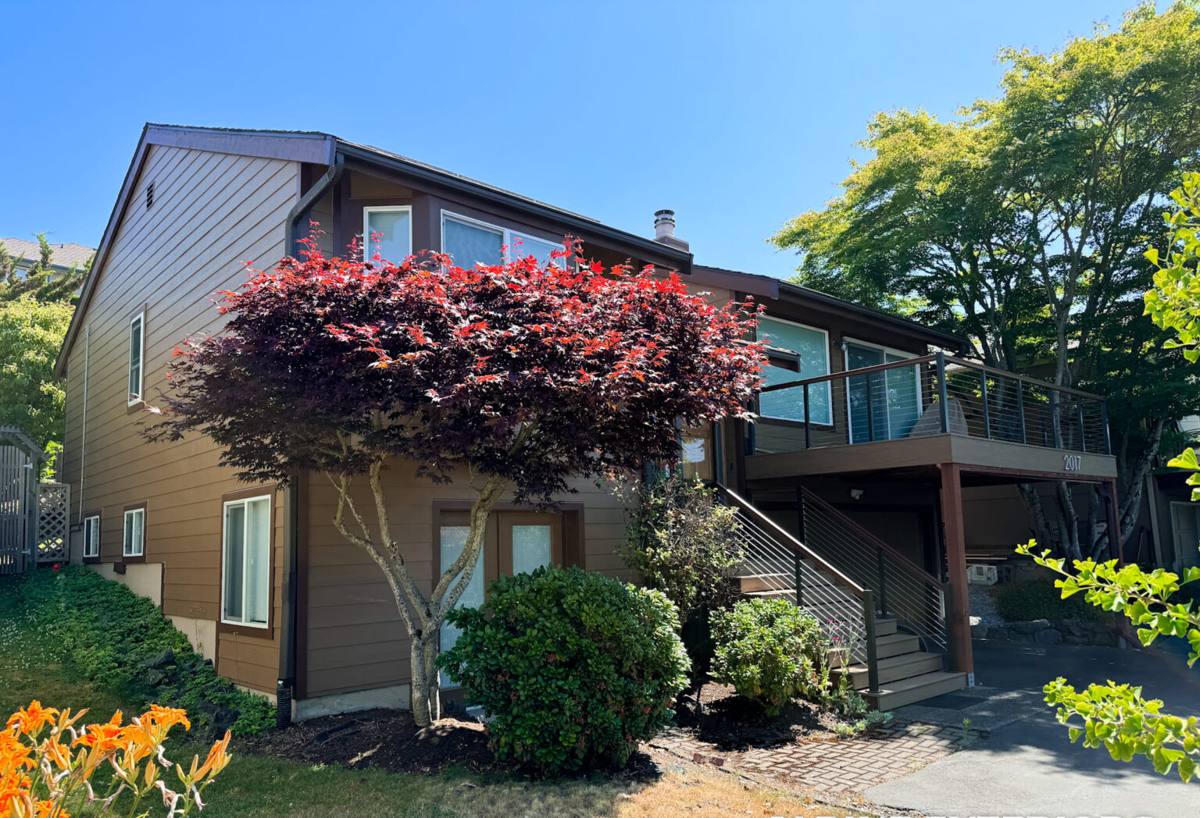
What Indian Shores' Coastal Environment Demands From a New Window
Four things wear on windows here faster than in most inland neighborhoods, and a new-construction install needs to answer all four at once:
- Hurricane-force wind loads — sustained pressure on the glass and frame during storm season, plus the risk of wind-borne debris impact.
- Intense, year-round UV exposure — Florida sun degrades vinyl, weatherstripping, and low-quality glazing seals faster than in northern climates.
- Wind-driven rain — during tropical systems and even ordinary summer squalls, rain doesn't just fall on a window, it's pushed sideways and upward into any gap in the flashing.
- Salt air — airborne salt from the Gulf accelerates corrosion on hardware, fasteners, and metal components that aren't rated for coastal exposure.
None of these are unique to Indian Shores, but the combination and intensity are more concentrated here than on inland Largo lots. A window and installation method that performs fine a few miles inland can underperform on the island if it wasn't specified with barrier-island exposure in mind.
Florida Building Code and Wind Load Requirements
Design Pressure and Wind-Borne Debris
New construction in Pinellas County has to meet the Florida Building Code's wind load requirements for the specific site, which are based on wind speed maps, exposure category, and the home's height and geometry. Coastal properties like those in Indian Shores commonly fall within Florida's wind-borne debris region, which triggers additional requirements for impact resistance or approved protection on openings. Every window installed has to carry a Florida Product Approval or Notice of Acceptance number showing it was tested for the design pressure and impact requirements that apply to that address — this isn't optional paperwork, it's what a building inspector checks against the permit set.
Impact-Rated vs. Non-Impact Glazing
Homeowners often ask whether they need impact-rated glass or can use standard glazing with separate shutters. Both approaches can satisfy code depending on the site's requirements, but they behave differently day to day. Impact windows stay in place permanently, require no setup before a storm, and add a layer of UV and sound control the rest of the year. Shutter systems can cost less up front but require someone to deploy them before every storm and depend on that happening correctly every time. We'll walk through what your specific plans require and what tradeoffs make sense for the way you'll actually use the house.
Egress and Room Requirements
Bedrooms and certain other rooms have minimum egress opening requirements — a specific net clear opening size and sill height that a window has to meet so it can serve as a fire escape route. This gets decided at the plan review stage, and it affects which window styles and sizes are viable in bedrooms, so it needs to be settled before openings are framed, not after.
New-Construction vs. Replacement Windows: Why the Installation Method Matters
People sometimes assume "new-construction window" just means a window that happens to be new. It actually refers to a specific frame and installation method, distinct from the retrofit frames used when replacing windows in an existing finished wall.
| Factor | New-Construction (Nail Fin) Window | Replacement (Retrofit) Window |
|---|---|---|
| Installed when | Before exterior finish (stucco, siding, brick) is applied | Into an existing finished wall opening |
| Attachment method | Fastened through a flange directly to the framing, then flashed and finished over | Fits inside the existing frame; fastened through the jamb |
| Water management | Full flashing system tied into the house wrap and exterior finish | Relies on sealant and the condition of the existing opening |
| Best fit for | New homes, additions, and full wall openings | Existing homes keeping the current opening size |
For an Indian Shores build, the nail-fin, new-construction method is the standard approach because it lets us build a continuous, layered water barrier from the sheathing through the flange and out to the finish material — the same detailing that has to hold up against wind-driven rain during a tropical system.
Choosing the Right Window Products for a Coastal Pinellas Build
Frame material and glass package both matter more on the island than they do a few miles inland.
Frame Material
Vinyl, aluminum, and fiberglass frames are all used in Florida new construction, and each has real tradeoffs in a salt-air environment. Aluminum is strong and holds up structurally under wind load but needs coastal-grade finishes and hardware to resist corrosion. Vinyl resists corrosion entirely but can expand and contract more with Florida's heat swings, so quality and reinforcement matter. Fiberglass sits between the two on cost and offers strong dimensional stability. We'll talk through what fits your budget and the specific exposure of your lot rather than pushing one material as a default.
Glass Package
Impact-rated laminated glass is the baseline consideration for wind-borne debris compliance, but the glass package also affects UV blocking, solar heat gain, and interior comfort. On a west- or Gulf-facing elevation in Indian Shores, a low-E coating and the right tint can make a meaningful difference in cooling costs and in how much the interior finishes fade over time.
Hardware and Fasteners
Standard fasteners corrode fast this close to saltwater. New-construction window installs on the island should use stainless steel or coated, coastal-rated fasteners and hardware — a detail that's easy to skip and expensive to fix once the exterior finish is closed up around it.
Our New-Construction Window Installation Process
For a new build or addition in Indian Shores, our process generally runs like this:
- Plan review — we check window schedules against the design pressure requirements, egress needs, and impact rating for the specific lot before ordering anything.
- Rough opening verification — every opening is checked for square, level, and correct size before a window goes in, since framing tolerances that would be fine inland leave no margin for error on a high-wind-load install.
- Flashing and water barrier integration — sill pan flashing, house wrap integration, and flange sealing are done in sequence so water is directed out, not trapped behind the finish.
- Fastening to structural framing — windows are secured per the manufacturer's tested installation instructions and the approved product data, which is what keeps the unit's wind rating valid.
- Interior and exterior sealant — sealed with coastal-rated sealant compatible with the frame material and the exterior finish that will go over it.
- Final inspection walk — checked against the permit set before the exterior finish crew closes in around the openings.
Common Mistakes We See in New-Construction Window Installs
Most window failures on coastal builds trace back to a handful of installation shortcuts, not the window product itself. Things worth confirming with any crew doing this work:
- Flange fastened directly without a proper sill pan or flashing sequence underneath it
- Standard (non-coastal) fasteners used because they were on hand
- Rough opening not verified square before the window was set, straining the frame under wind load
- Sealant applied over dirty or wet substrate instead of a clean, dry surface
- Product approval documentation that doesn't match the window actually installed
- Egress or design pressure requirements missed because the window schedule wasn't checked against the site-specific plan
Cost Factors for New-Construction Windows in Indian Shores
Costs vary based on the scope of a build, but the main drivers are consistent from project to project:
| Factor | How It Affects Cost |
|---|---|
| Frame material | Vinyl is typically the lowest entry cost; fiberglass and coastal-grade aluminum run higher |
| Impact rating | Impact-rated laminated glass costs more than non-impact glazing, but removes the need for separate storm protection |
| Window size and count | Larger openings and higher window counts increase both material and labor cost |
| Design pressure requirements | Higher wind load ratings for exposed elevations can require heavier-duty frames and hardware |
| Access and site conditions | Second-story or hard-to-reach openings add labor time |
We give a broad range once we've seen the plans, not a number pulled out of the air — every barrier-island lot and every window schedule is different enough that a real estimate needs to be based on your specific opening sizes and wind exposure.
Why Hire a Crew That Already Works Indian Shores and the Barrier Islands
New-construction window work on a barrier island isn't the same job as an inland Largo build, even though the products can look identical on paper. A crew that regularly works Indian Shores already understands the wind-borne debris region requirements that apply here, has a working relationship with the flashing and sealant systems that hold up against salt air, and knows what Pinellas County's inspectors are checking for on a coastal permit set. That familiarity shows up in fewer change orders, fewer failed inspections, and a building envelope that's actually ready for the next hurricane season rather than just technically compliant on paper.
If you're planning a new build or addition in Indian Shores, we're glad to walk your plans, talk through window and glass options for your specific exposure, and give you a free, no-pressure estimate — just fill out the form below to get started.