 Largo Siding
 Oldsmar sits along the north end of Old Tampa Bay, and that location shapes what a home's exterior has to put up with. It's close enough to open water to catch salt-laden air and wind-driven rain off the bay, and like the rest of Pinellas County it sits squarely in a zone built for hurricane-force wind loads and some of the most intense, sustained UV exposure in the continental United States. Siding here isn't just a cosmetic decision — it's the first line of defense on a house that gets tested by all four of those conditions in the same year, sometimes in the same week.
We install James Hardie fiber cement exclusively, and this page covers what that means specifically for a fiber cement project on an Oldsmar home: what the local climate does to siding over time, what a correct installation actually involves, and how our process works from first walkthrough to final cleanup.
What Oldsmar's Climate Asks of a Home's Exterior
None of these stresses are unique to Oldsmar on their own — plenty of places deal with strong sun, or salt air, or storm wind. What makes Gulf Coast Florida different is that a home's siding absorbs all of them at once, year-round, without much of a break.
Intense, Year-Round UV
Florida's sun angle and clear-sky days add up to some of the highest annual UV exposure of any state. Field-applied paint and lower-grade coatings chalk, fade, and break down faster here than they would in a milder climate, and a finish that starts failing lets moisture and heat reach the substrate underneath it sooner than it should.
Wind-Driven Rain
Summer storms and tropical systems don't just drop rain straight down — they push it sideways, into laps, seams, and any gap in the flashing detail. A siding system that depends on gravity alone to shed water, rather than a properly lapped weather-resistive barrier and correct flashing at every penetration, is the kind of system that starts leaking quietly behind the wall long before anyone sees a stain on the inside.
Salt Air Off Old Tampa Bay
Homes near the bay take on a steady dose of salt-laden air. It doesn't rot fiber cement the way it can degrade some fasteners and trim, but it does accelerate dirt buildup, speed up finish wear on anything not built for a marine-influenced climate, and shorten the service life of hardware that isn't corrosion-resistant.
Hurricane Wind Loads
Pinellas County sits in a hurricane wind zone, which means siding here has to be rated and fastened for real uplift and impact loads, not just nailed on to look good on a calm day. A panel or plank that isn't fastened to spec is a liability the first time a named storm tracks anywhere near Tampa Bay.
Why We Install Only James Hardie Fiber Cement
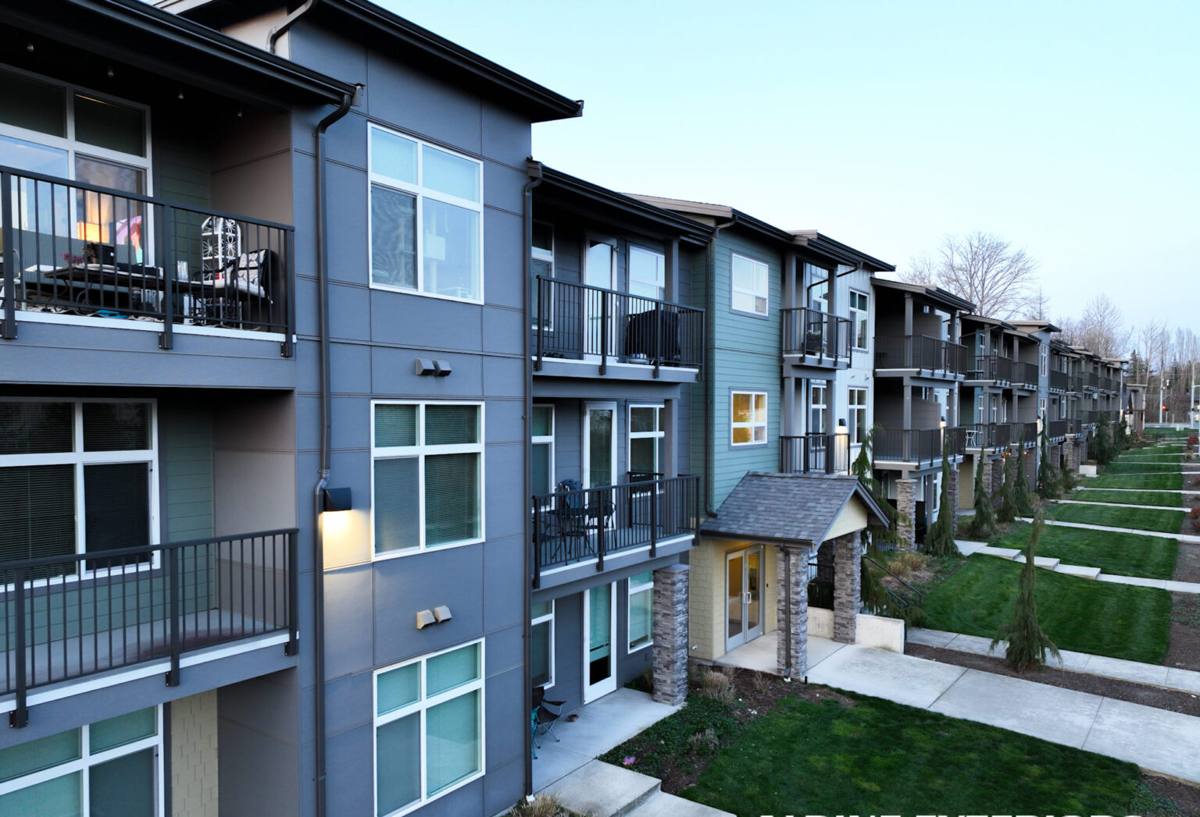
We made the call to standardize on James Hardie fiber cement and hold to it on every job, including the ones we do in Oldsmar. It's non-combustible, which matters on its own merits. It's dimensionally stable, so it doesn't swell, warp, or cup the way wood-based siding can when it cycles through Florida's humidity swings. Most of what we install carries the ColorPlus factory finish — baked on in a controlled plant environment through multiple coats, which holds up to sustained UV far better than field-applied paint managed on a jobsite. And James Hardie builds climate-specific formulations, with the HZ5 line engineered for high-humidity, high-moisture-exposure regions like ours rather than a one-size-fits-all board sold everywhere in the country.
We don't install vinyl, LP SmartSide, primed spruce, cedar, or other engineered wood siding. Those are legitimate products with their own advocates, and none of that is a knock on the people who make or install them — it's a decision built from what we've found tearing old siding off Gulf Coast homes and seeing what condition it's actually in underneath. Between the wind load, the UV, the wind-driven rain, and the salt air, fiber cement is the material we're willing to put our name behind here.
What Correct Installation Involves in Oldsmar
Fiber cement performs the way it's supposed to only when it's installed to the manufacturer's specifications. Skipping steps doesn't usually show up as a problem on day one — it shows up two or three storm seasons later, which is exactly why the installation details matter more than the marketing on the box.
Weather-Resistive Barrier and Flashing
Every wall gets a properly lapped weather-resistive barrier before a single piece of siding goes up, and every penetration — windows, doors, vents, hose bibs, light fixtures — gets flashed correctly so wind-driven rain has nowhere to get behind the cladding.
Fastening for Wind Uplift
Fastener type, spacing, and penetration depth all have to match James Hardie's published specifications for our wind zone. Over-driven fasteners crack the board; under-driven or wrongly spaced fasteners leave siding vulnerable to uplift in a real storm. Neither is acceptable on a coastal Pinellas County home.
Manufacturer Clearances
Siding needs correct clearance from grade, roofing, decks, and other transitions so the bottom edge isn't sitting in standing water or trapped moisture after a heavy rain event — a detail that gets skipped more often than homeowners realize.
Joint and Seam Treatment
Butt joints, corners, and trim intersections get gapped and sealed exactly where Hardie specifies, and nowhere else — caulk is not a substitute for correct flashing and gapping, it's a finishing step on top of details that are already done right.
Matching the Right Hardie Product to Your Oldsmar Home
James Hardie's product lines aren't interchangeable — they're built for different architectural styles and different parts of a home, and the right combination depends on your home's design and how exposed each wall is to sun, wind, and rain.
| Product | Best For | Why It Fits This Climate |
|---|---|---|
| HardiePlank lap siding | Traditional and most common Florida home profiles | Dimensionally stable under humidity swings; wide color range in ColorPlus finish |
| HardiePanel vertical siding | Modern facades, gable accents, board and batten looks | Fewer horizontal laps for wind-driven rain to work against |
| HardieShingle | Coastal cottage or shingle-style architecture | Holds its shape and finish better than wood shingle in salt air |
| HardieTrim | Fascia, corner boards, window and door surrounds | Matches the plank or panel finish and resists the same UV and moisture load |
Our Process for an Oldsmar Siding Project
- On-site walkthrough to assess the existing siding, substrate condition, and any moisture damage hiding behind it
- A straightforward, no-pressure estimate covering product selection, scope, and timeline
- Full removal of the old siding — we don't install over existing cladding, since that hides substrate problems and voids manufacturer warranties
- Inspection and repair of the sheathing underneath before anything new goes up
- Installation of the weather-resistive barrier, flashing, and Hardie siding to manufacturer specification for our wind zone
- Trim, caulking, and touch-up work at seams and transitions
- Final walkthrough with the homeowner before the crew leaves the site clean
Cost Factors to Expect
Every Oldsmar home is different, so a real number comes from an on-site estimate — but these are the factors that move the price up or down on most fiber cement projects in this area.
| Factor | Why It Matters |
|---|---|
| Home size and number of stories | More square footage and taller walls mean more material and labor, and multi-story homes need additional access equipment |
| Condition of the existing substrate | Sheathing repair or replacement found during tear-off adds cost but is far cheaper to fix now than after new siding is up |
| Trim and architectural detail | Homes with more corners, gables, and window trim need more cutting, fitting, and flashing labor |
| Product line and profile | HardiePanel, HardieShingle, and custom trim work typically run higher than standard HardiePlank lap siding |
| Site access | Tight lots, fencing, or landscaping close to the walls can add time for material staging and cleanup |
Why a Crew That Already Works in Oldsmar Matters
Wind zone requirements, permitting, and inspection expectations vary by jurisdiction, and a crew that regularly works Pinellas County homes already knows what local building officials expect to see before they sign off. That familiarity shows up in fewer surprises mid-project — the right fastening schedule pulled the first time, flashing details that pass inspection without a callback, and a realistic sense of how weather windows around here actually work when scheduling a multi-day tear-off. It also means we're not learning the area's storm exposure and salt air behavior for the first time on your house.
Maintenance Checklist for Oldsmar Homeowners
A correctly installed Hardie system is low-maintenance, not no-maintenance. A little routine attention keeps it performing the way it's supposed to for decades.
- Rinse the exterior periodically to clear salt residue, pollen, and general grime, especially on walls that catch onshore wind off the bay
- Walk the exterior after any major storm and check for loosened trim, damaged flashing, or impact marks
- Keep an eye on caulked joints and touch them up if you see cracking or separation, rather than waiting for water to find its way in
- Make sure sprinklers and irrigation aren't spraying directly onto the base of the siding
- Keep gutters clear so overflow isn't running down the wall face during heavy rain
- Trim back landscaping that keeps a wall section shaded and damp longer than the rest of the house
If you're planning a siding project for a home in Oldsmar, we're glad to walk the property, point out anything specific to your walls and their exposure, and put together a free, no-pressure estimate for a correctly installed James Hardie system.