 Largo Siding
 Why Dunedin Roofs Take a Different Kind of Beating
Dunedin sits close enough to the Gulf that homeowners deal with a combination of stresses most inland roofs never see. Hurricane-force wind gusts test every nail and shingle tab. Intense, near-constant UV exposure bakes asphalt granules and accelerates aging. Wind-driven rain finds its way sideways under poorly sealed flashing and starter courses. And salt-laden air corrodes exposed metal fasteners, vents, and drip edge faster than it would twenty miles inland. None of these forces are unique to Dunedin, but together, year-round, they add up to a roof that has to be installed correctly the first time. A roof that would hold up fine in a drier, calmer climate can fail early here if it was built to a lower standard.
We work throughout Largo and the surrounding Pinellas County communities, and Dunedin's mix of older bungalows, mid-century ranch homes, and newer infill construction gives us a good cross-section of what actually goes wrong with asphalt shingle roofs in this climate. It's rarely the shingle itself that fails first. It's almost always something in the details underneath it.
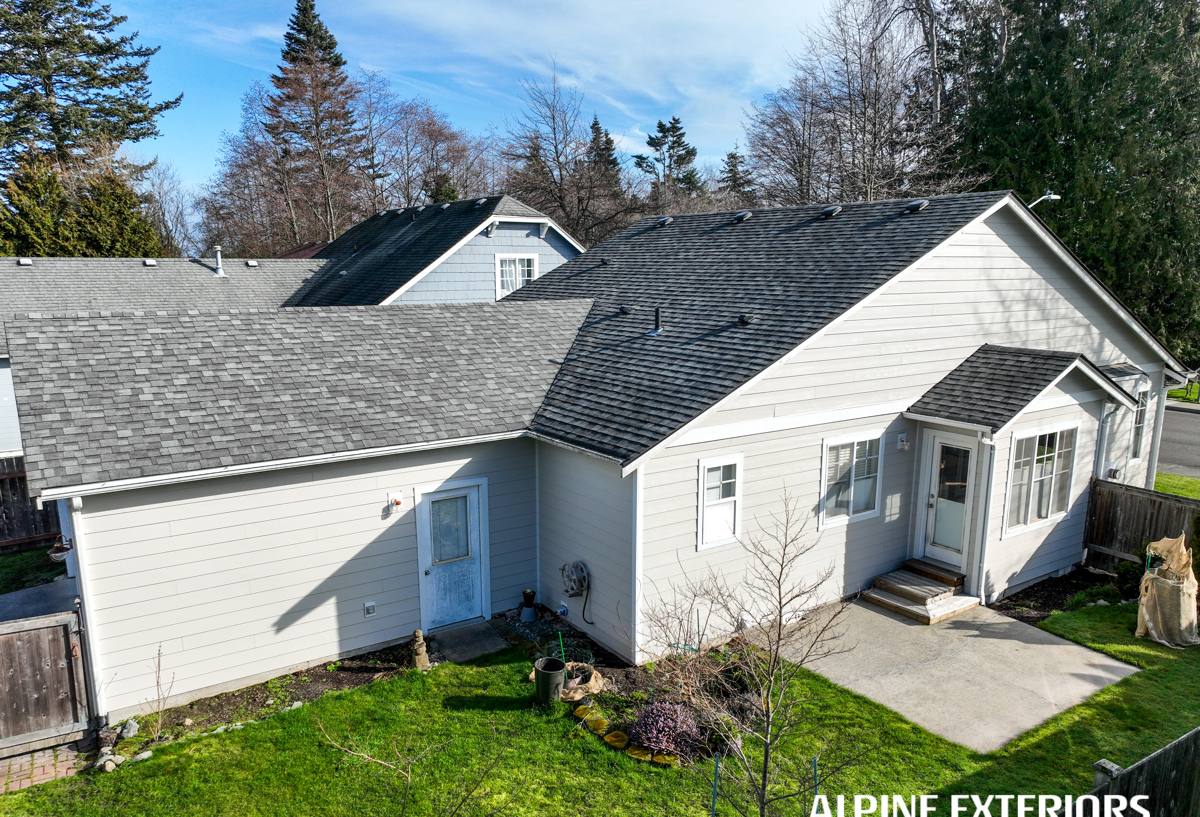
What a Correct Asphalt Shingle Roof Actually Involves
Underlayment Is the Real Waterproofing Layer
Shingles shed most of the water, but the underlayment underneath them is what actually keeps a roof dry when wind pushes rain sideways or a shingle tab lifts in a gust. In a coastal climate, we treat underlayment as a primary defense, not an afterthought. Synthetic underlayment and self-adhered membrane at eaves, valleys, and penetrations matter more here than in drier parts of the state, because Dunedin roofs see wind-driven rain far more often.
Nailing Pattern and Wind Rating
Two roofs can use the identical shingle product and perform completely differently based on how they were fastened. Correct nail placement, nail count per shingle, and nailing into solid decking (not just through it) are what determine whether a roof holds its wind rating in practice, not just on paper. This is one of the most common shortcuts we find on older roofs during tear-off.
Flashing and Penetrations
Chimneys, plumbing vents, skylights, and wall-to-roof transitions are where the overwhelming majority of leaks start. Step flashing, counter-flashing, and properly sealed pipe boots need to be sized and installed for the specific shingle profile, not just caulked into place. Caulk is a short-term patch, not a flashing system.
Attic Ventilation
Florida sun turns an unventilated attic into an oven, which shortens shingle life from underneath even if the roof surface looks fine. Balanced intake and exhaust ventilation keeps attic temperatures more reasonable and reduces the heat stress that dries out and curls shingles prematurely.
Our Process on a Dunedin Re-Roof
- Inspection and estimate. We walk the roof, check the decking condition where accessible, note flashing points, ventilation, and any soft spots, and give a written scope and price.
- Full tear-off. We don't install over existing layers. Old shingles and underlayment come off so we can actually see the deck.
- Deck repair. Any rotted, delaminated, or soft plywood is replaced before anything goes back down. This step gets skipped by corner-cutting crews and it's the single biggest predictor of a roof failing early.
- Dry-in. Underlayment, ice-and-water style membrane at vulnerable areas, and drip edge go on the same day whenever possible so the deck isn't left exposed overnight.
- Shingle installation. Correct nailing pattern, starter strips, valleys, and flashing detail work, following manufacturer specification for the wind rating we're installing to.
- Ventilation and final details. Vents, boots, and any penetrations are sealed and checked.
- Cleanup and walkthrough. Magnetic sweep for nails, full site cleanup, and a walkthrough so you know what was done and what to watch for going forward.
Choosing the Right Shingle for Coastal Pinellas County
Not every asphalt shingle product is a good fit for a home this close to the Gulf. The table below is a general guide to how the common tiers compare when wind exposure and UV load are the deciding factors, not just upfront cost.
| Shingle Type | Typical Wind Rating | Expected Lifespan (this climate) | Best Fit |
|---|---|---|---|
| Standard 3-tab | Lower end of the range | Shorter, due to thinner profile and UV exposure | Budget-driven projects, rental properties |
| Architectural / laminate | Mid to upper range | Longer, thicker mat holds up better to UV and impact | Most owner-occupied Dunedin homes |
| High-wind rated architectural | Top of the range for asphalt | Comparable to standard architectural, with better wind performance | Homes with more open exposure or insurance wind-mitigation credits in mind |
Cost differences between these tiers are usually modest compared to the total project cost, and the gap tends to be worth it once you factor in fewer service calls and better wind performance over the life of the roof.
Common Problems We Find on Dunedin Roofs
- Granule loss and bald spots from sustained UV exposure, which speeds up aging and reduces the shingle's protective coating.
- Nail pops and lifted tabs from wind uplift, often concentrated at ridges, hips, and roof edges where wind pressure is highest.
- Algae streaking and dark staining from Florida's humidity, which is mostly cosmetic but can be a sign of moisture sitting on the roof longer than it should.
- Flashing failure at chimneys, vents, and wall transitions, usually from caulk-only repairs that were never a real long-term fix.
- Corroded or rusted metal fasteners and vent components, more common on homes closer to open water where salt air accelerates corrosion.
Roof Maintenance Checklist for Homeowners
Most roof problems are cheaper to catch early. Between professional inspections, here's what's worth checking from the ground or after any significant storm:
- Look for missing, curled, or lifted shingles, especially after high wind events.
- Check gutters for excessive granule buildup, which can signal accelerated shingle wear.
- Watch for water stains on interior ceilings, particularly near chimneys or bathroom vents.
- Note any sagging areas on the roofline, which can indicate deck issues underneath.
- Keep overhanging tree limbs trimmed back to reduce abrasion and debris buildup on the roof surface.
- Schedule a professional inspection after any named storm that passes through Pinellas County, even if there's no visible damage from the ground.
Repair or Replace? What Actually Drives That Decision
Not every issue means a full re-roof. The right call usually comes down to a handful of practical factors rather than a single rule of thumb.
| Factor | Leans Toward Repair | Leans Toward Replacement |
|---|---|---|
| Roof age | Under half of expected shingle lifespan | Near or past expected shingle lifespan |
| Damage extent | Isolated to one section or penetration | Spread across multiple slopes |
| Repair history | First or second repair on this roof | Repeated repairs to the same area |
| Decking condition | Solid, no soft spots found | Rot or delamination present |
We'll tell you honestly which side of that line your roof falls on. A well-timed repair can buy a homeowner several more years, and we'd rather give you that option than sell a replacement you don't need yet.
Why Hiring a Crew That Already Works Dunedin Matters
A roofer who works Largo and Dunedin regularly already knows the wind exposure differences between a home a few blocks from the water and one further inland, understands the permitting process with the local building department, and has seen firsthand how these roofs age over time in this specific climate. That local pattern recognition is hard to replicate for a crew that only passes through the area occasionally, or for out-of-town storm chasers who show up after a hurricane and are gone before the workmanship gets tested by the next one.
Being local also means we're accountable after the job is done. If a question comes up two years later about a flashing detail or a warranty item, we're still here, still working in the same neighborhoods, and still reachable.
Permits, Codes, and Insurance Considerations
Roofing work in Pinellas County requires a permit and inspection, and the applicable Florida Building Code wind provisions apply regardless of which contractor does the work. We handle the permitting process as part of the job rather than treating it as optional paperwork. Beyond code compliance, the shingle tier and installation details you choose can also affect wind-mitigation credits on your homeowner's insurance, which is worth discussing before, not after, the roof goes on.
If your roof in Dunedin is showing its age, or you just want an honest opinion on whether repair or replacement makes more sense, we're happy to take a look. Request a free, no-pressure estimate using the form below and we'll walk the roof, answer your questions, and give you a straight answer either way.