 Largo Siding
 Belleair Bluffs Decks Face a Tougher Job Than Most
Belleair Bluffs sits above Clearwater Harbor, and that elevated position is part of what makes the area desirable — open water views, good breezes, and a shorter drive to the water than most of Pinellas County gets. It also means decks here take on conditions that inland decks in the county don't deal with as heavily. Salt-laden air drifts up off the harbor and Intracoastal Waterway year-round, humidity stays high for most of the year, and afternoon sun in the summer months is intense and constant. When a hurricane or tropical system moves through, wind-driven rain finds every gap in flashing and fastening that wasn't done right the first time.
None of that means a deck can't hold up for decades in this neighborhood. It means the build has to account for those conditions from the footings up, not just at the surface. A deck that would be perfectly fine in a drier, inland part of the state can start showing corrosion, fastener failure, or board cupping within a few years if it's built to a generic spec instead of a coastal Pinellas County one.
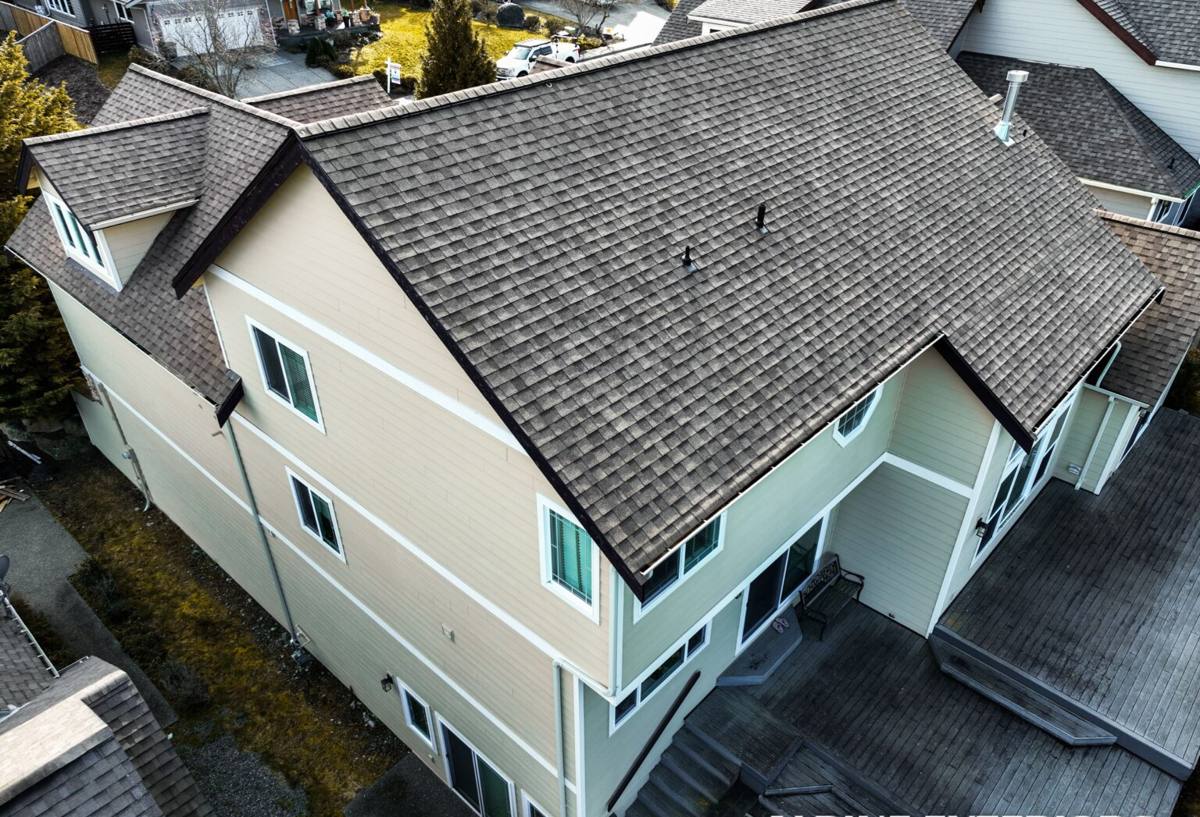
What Florida Building Code Requires for a Deck Here
Decks in Largo and the surrounding Pinellas County municipalities, including Belleair Bluffs, are governed by the Florida Building Code's high-velocity and wind-borne debris provisions where applicable, along with local permitting requirements. A code-compliant deck isn't optional paperwork — it's the difference between a structure that stays attached to the house during a storm and one that doesn't.
What a proper permit process covers
- Engineered or code-table-verified footing size and depth for local soil conditions
- Proper ledger board attachment to the house structure (not just lag screws into siding or stucco)
- Joist hanger and hardware specification rated for the actual wind exposure category
- Guardrail height and baluster spacing for safety compliance
- Inspection sign-off at framing and final stages
We pull permits and schedule inspections as part of the job — not as an add-on. A deck that skipped this step may look finished, but there's no record that anyone verified the framing, the ledger connection, or the footings, which becomes a real problem at resale or after storm damage when insurance gets involved.
Choosing Decking Material for Salt Air and Constant Sun
The decking surface itself takes the most direct abuse from UV and moisture cycling. Every material has tradeoffs, and the right call depends on how much upkeep the homeowner wants to do versus what they want to spend upfront.
| Material | How it handles coastal exposure | Maintenance | Typical lifespan here |
|---|---|---|---|
| Pressure-treated pine | Needs sealing to resist moisture and UV; can cup or warp if neglected | Annual cleaning and re-sealing | 10-15 years with upkeep |
| Composite decking | Resists rot and UV fading well; some early-generation boards absorbed moisture at cut edges | Periodic cleaning, no sealing | 20-25+ years |
| PVC/capped composite | Fully sealed surface, best resistance to salt air and humidity swings | Occasional washing | 25-30+ years |
| Tropical hardwood (e.g., ipe) | Naturally dense and rot-resistant, but requires oiling to hold color | Annual oiling if color retention matters | 25+ years structurally |
We don't push one product for every job. A homeowner who wants the lowest-maintenance option long-term usually does best with a capped composite or PVC board. A homeowner who wants a natural wood look and doesn't mind yearly care can get excellent results from a well-installed hardwood or properly sealed pressure-treated deck. What we won't do is install a board without properly detailing the cut ends, fastener pattern, and drainage gaps that material needs — that's where most of the early failures we get called to fix actually started.
The Framing and Hardware Most Homeowners Never See
The decking boards get all the attention, but the structure underneath is what actually determines whether a deck survives a decade of salt air and storm seasons. This is also where cutting corners is easiest to hide and hardest to catch later.
What we spec differently for coastal Pinellas jobs
- Stainless steel or high-corrosion-rated coated fasteners and hardware, not standard galvanized, given the salt exposure this close to the harbor
- Ledger board flashing that sheds water away from the house structure, not just a bead of caulk
- Joist hangers and structural connectors rated for the wind exposure category, properly nailed or screwed per the hardware manufacturer's spec — not whatever fastener happened to be on hand
- Footings sized and set to the depth the soil and load actually require, not a minimum guess
Corrosion on fasteners is one of the most common issues we find when we're called out to inspect an older deck near the water. Once a hanger or bolt starts rusting, it's not a cosmetic problem — it's a structural one, and it's usually invisible until the deck is walked on wrong or a board comes loose.
Design Choices That Fit Belleair Bluffs Homes
Because much of Belleair Bluffs sits at a higher elevation with harbor views, a lot of decks here are designed around sightlines and outdoor living space rather than just a small back-door landing. That changes some of the practical decisions.
Things worth thinking through before we start
- Railing style — cable or glass rail systems preserve the view but need corrosion-resistant hardware in this environment
- Drainage and slope — decks built over living space below need a properly sloped and waterproofed surface, not just gaps between boards
- Shade — some homeowners add a pergola or partial cover given how strong the summer sun is by early afternoon
- Multi-level layouts — where the lot has grade change, stepped decks are common and each level needs its own footing and structural plan, not a shared assumption
We walk the property and talk through what the deck actually needs to do — entertaining space, a quiet spot to watch the water, a safe way to get pets or kids in and out of the yard — before we talk materials or layout. The design should follow the use, not the other way around.
How We Approach a Deck Project
Our process is the same one we use across Largo and the surrounding Pinellas County communities, adjusted for whatever the specific lot and house call for.
- On-site assessment — we look at the house's ledger attachment point, the soil, drainage, and how the space will actually be used.
- Material and design discussion — we lay out honest tradeoffs between decking materials and railing options based on maintenance tolerance and budget.
- Permitting — we handle the permit application and coordinate inspections with the local building department.
- Framing and structural work — footings, ledger, joists, and hardware go in to code, with attention to the corrosion-resistant hardware this environment requires.
- Decking and railing installation — boards and rail systems installed with proper spacing, fastening, and cut-end treatment.
- Final walkthrough and inspection — we go over the finished deck with the homeowner and make sure final inspection sign-off is complete.
Protecting the Investment After the Build
A well-built deck in this climate still needs some ongoing attention. What it needs depends heavily on the material chosen, but a few habits apply across the board.
- Rinse salt residue and debris off the surface periodically, especially after storms
- Check railing hardware and fasteners annually for early signs of corrosion
- Keep gutters and downspouts near the deck clear so runoff isn't draining onto or under it
- Reseal wood decking on the manufacturer's recommended schedule — don't wait for visible graying or cracking
- Trim back landscaping that traps moisture against the structure
Most of the deck failures we're brought in to repair trace back to one of two things: hardware that wasn't rated for the coastal environment, or maintenance that got skipped for a few years too long. Both are avoidable with the right build and a little routine care.
Why It Matters That We Already Work in This Area
We build and repair decks throughout Largo and Pinellas County, and Belleair Bluffs' combination of elevation, harbor exposure, and salt air is a condition set we plan for as a matter of course, not something we're figuring out on the job. That familiarity shows up in the hardware we default to, how we detail ledger flashing, and how we talk through material choices with homeowners who want a deck that's still solid in fifteen years, not just at the final walkthrough.
If you're planning a new deck or need an honest look at an existing one, we're glad to come out, walk the property, and put together a free, no-pressure estimate — no obligation, just a straight assessment of what your home and your budget actually need.